Importance of HPV Vaccinations
It’s something that affects about 20 million sexually active Americans, but many of them have no idea they’re infected.
Human papillomavirus, or HPV, is a sexually transmitted disease that can lead to the development of various cancers. Associate Professor of Nursing at Ohio University Zanesville Stacie Sweet said the majority of HPV infections are asymptomatic, which means the person doesn’t show any symptoms. She said there are low-risk types of HPV that can cause genital warts and high-risk types that sometimes result in cervical and other cancers.
"People who are exposed to multiple sexual partners, people who start having sex at very early ages, in their lifetime they will be exposed to more partners, so that increases the risk," said Sweet. "Not being vaccinated is another risk factor. There is a vaccine that is available to help prevent the spread of HPV."
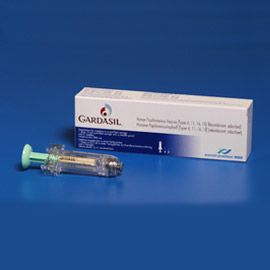
Sweet said the vaccine covers two low-risk and two high-risk types of HPV. Dr. David Trebb said the vaccine is approved and recommended for young men and women. He said the vaccine is administered in a series of three shots over six months, and it’s most effective before the person becomes sexually active.
"The shot accomplishes two things," said Dr. Trebb. "It prevents 90% of all cases of genital warts, which is the number one sexually transmitted disease in this country. It’s also the only vaccine on the market that prevents cancer."
Dr. Trebb said the only side effect of the HPV vaccine is some pain from the shot itself. He said parents can take their children to the Zanesville-Muskingum County Health Department to receive the vaccine.
We’ll continue our coverage Wednesday night on the WHIZ News at 6 with a story focusing on cervical cancer.