Outdoor Enthusiasts encouraged to be Cautious of Ticks this Summer
MUSKINGUM COUNTY, Ohio- The Ohio Department of Natural Resources Division of Wildlife is encouraging hunters and all outdoor enthusiasts to use caution and take steps to avoid contact with Ohio tick species while exploring outdoors this summer.
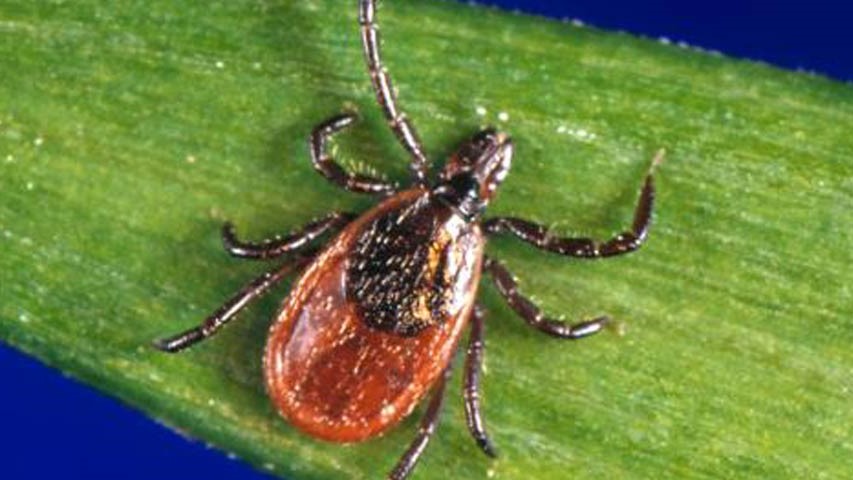
Ohio has three medically important species of ticks including the American dog tick, blacklegged tick and lone star tick. All three ticks have the potential to carry and transmit disease to humans and pets.
“Ticks are increasingly more prevalent as a result of climate change. With hotter weather, ticks can live a little bit easier especially when there’s not a lot of moisture. We’re seeing ticks come closer to humans because obviously growth in the population… We’ve got deer obviously much closer to us. You can see a deer going down Maple Avenue some nights. They’re coming closer and closer to people and that’s where we’re seeing more concern for Lyme disease,” Muskingum Valley Health Center Nurse Practitioner Tiffany Blaz said.
Deer are not affected by ticks and don’t suffer ill effects from Lyme disease. However, humans can be affected by Lyme disease if they are bitten by a tick. Blaz said since we’re in a rural area, the primary care setting does see patients who come in with ticks or have been bitten.
“Lyme disease is kind of dangerous. It can come on slowly so you could get bit by a tick today and you may not have any symptoms or concerns for up to a month sometimes. Those concerns can get worse if they go untreated. Most often you’re seeing pain in the joints, sometimes stiffening of the neck, headaches and sometimes even cardiovascular concerns as a result of inflammation caused by Lyme disease,” Blaz said.
Blaz added Lyme disease can be detrimental to the quality of life. She encourages those to wear appropriate tick repellent when outside especially in wooded and grassy areas and to check all areas of the body for ticks when going inside. Attached ticks should be removed as quickly as possible to reduce the risk of diseases.